Deck Design Trends for 2026: Craft an Elegant and Versatile Outdoor Sanctuary
Deck design trends for 2026 demonstrate a transition toward crafting sophisticated and versatile outdoor living spaces. Green materials, forward-thinking designs, and advanced technology are taking center stage. Residents look to improve their outdoor enjoyment while focusing on sustainability. Versatile furniture and well-defined areas are growing increasingly important. When these components align, further investigation uncovers ways to convert any deck into a private sanctuary. What critical components should be considered to achieve the ultimate deck experience?
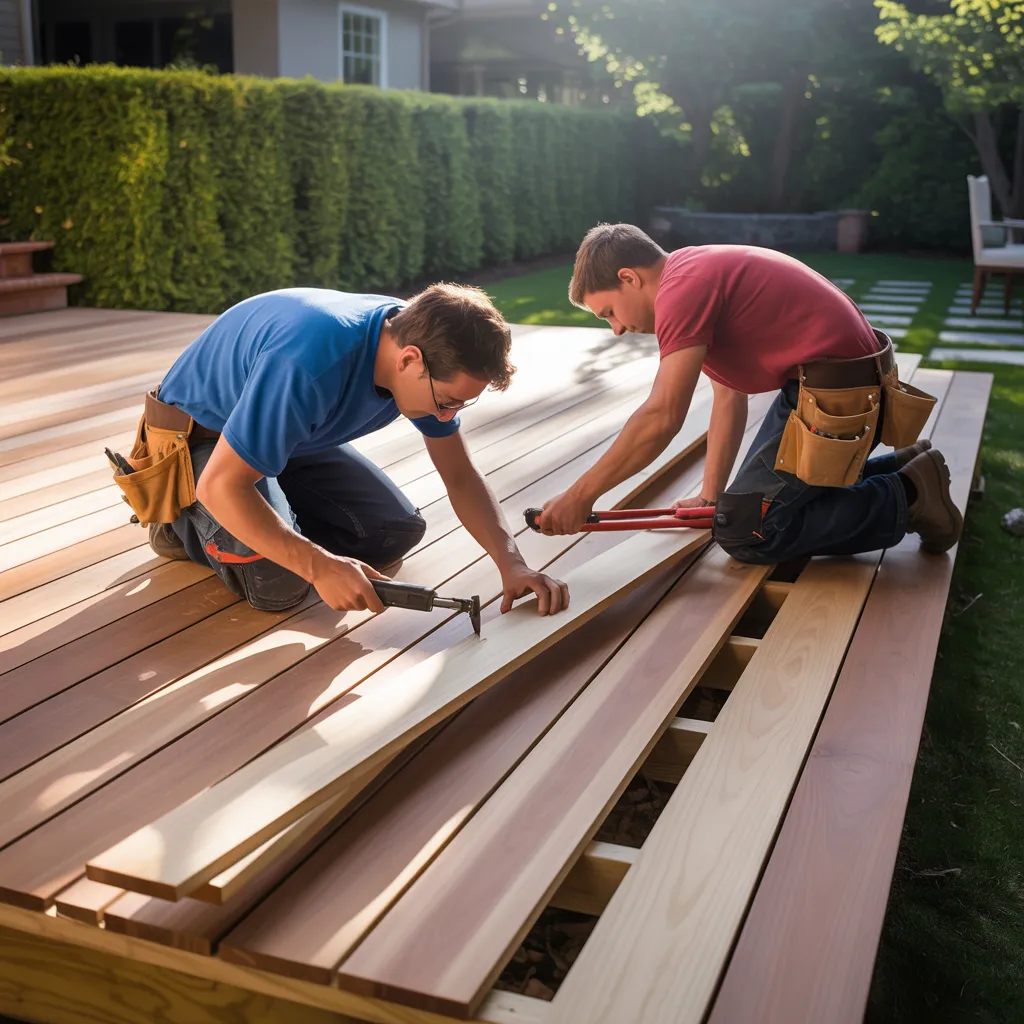
Premier Eco-Friendly Materials for Sustainable Deck Design
As homeowners increasingly prioritize sustainability, choosing the right materials for green deck design has attracted considerable interest. Recycled wood, often sourced from old buildings or shipping pallets, serves as a popular option, delivering both decorative appeal and meaningful environmental value. Not only does this material help minimize waste, but it also offers long-lasting strength when appropriately processed.
Composite deck material, composed of a combination of wood fibers and recycled plastics, is a popular option. It is virtually maintenance-free and rot-resistant, making it ideal for outdoor use. Bamboo wood, known for its fast growth and sustainable nature, has risen as a top choice, delivering a fashionable solution that remains kind to the environment.
Additionally, ethically harvested hardwoods, particularly mahogany and teak, are highly regarded for their natural beauty and longevity. These choices embody a emphasis on environmentally responsible lifestyles, enabling homeowners to craft beautiful outdoor environments while protecting our natural world.
Creative Designs for Outdoor Living Areas
Creative arrangements are revolutionizing exterior living areas, giving homeowners the ability to maximize functionality while elevating visual appeal. Currently, designers are focusing on multi-functional layouts that designate specific sections for dining, lounging, and cooking. By including design elements such as custom seating arrangements and fire pit features, these areas encourage gatherings while maintaining an open feel.
Moreover, the use of mixed textures and materials produces visual intrigue and influences traffic through the environment. Curved walkways and tiered designs are growing in demand, as they bring depth and character to outdoor settings. Moreover, weaving in natural features such as vertical gardens or water features can effortlessly link exterior and interior spaces.
Finally, integrating modular furniture provides versatility, supporting gatherings of any size. Overall, these innovative layouts not only cater to everyday needs but also improve the complete outdoor living experience, converting backyard areas into stylish retreats.
Color Trends to Transform Your Deck Design
Colour plays a pivotal role in deck planning, shaping the atmosphere and elevating the visual appeal. In 2026, popular color trends include natural hues, such as terracotta and olive green, which create an atmosphere of serenity and connection with nature. Such colors blend seamlessly with natural environments, establishing a peaceful sanctuary.
In addition, vibrant colors like bold navy and deep burgundy are commanding attention, adding sophistication to deck spaces. Delicate pastel shades, including pale blues and soft pinks, continue to rise in appeal, offering a light, breezy aesthetic that transforms open-air environments.
Understated tones, including taupe and warm gray, stand the test of time, providing a versatile backdrop for diverse decorating styles. It is recommended that homeowners experiment with color combinations, building layered visual depth. At the end of the day, the ideal color palette not only improves the deck's aesthetic but also expresses individual style, making outdoor spaces more inviting and enjoyable.
Choosing Multipurpose Pieces for Your Deck
Optimizing space on a deck requires thoughtfully choosing multi-functional furniture that naturally merges style and utility. Choosing pieces that serve multiple purposes can enhance both comfort and functionality. As an illustration, storage benches offer seating alongside convenient space for storing cushions or gardening tools. Folding tables make it easy to adapt the space for dining or entertaining, allowing for effortless shifts between gatherings.
Additionally, ottomans that serve as side tables can enhance flexibility, offering additional seating when desired. Adaptable seating arrangements permit users to personalize their layouts based on the circumstance, fostering a vibrant outdoor environment. Incorporating these flexible elements not only improves space but also improves the overall aesthetic of the deck. By strategically selecting adaptable furniture, homeowners can develop an welcoming outdoor retreat that caters to various activities and enriches their lifestyle.
Creative Lighting Solutions to Illuminate Your Deck
How can homeowners transform their decks into enchanting evening spaces? Thoughtful lighting choices serve a key purpose in defining the atmosphere and boosting the appeal of outdoor sanctuaries. Decorative string lights, tastefully strung above, deliver a cozy and charming illumination ideal for entertaining or relaxing outdoors. Additionally, solar-powered lanterns and path lights offer eco-friendly options that illuminate walkways without the need for wiring.
Incorporating LED strip lighting under practical guide railings or along steps can generate a contemporary look while guaranteeing security. For a greater visual effect, wall-mounted sconces or hanging lights can be positioned to showcase architectural features. Outdoor fire pits and torches not only provide illumination but also heat, enabling open-air socializing even on cool outdoor nights. By carefully incorporating these lighting options, property owners can develop a breathtaking setting that promotes gatherings and unwinding, making their decks a natural extension of their interior living area.
Outdoor Kitchens: Elevating Culinary Experiences Outdoors
Outdoor cooking areas are converting backyards into gourmet sanctuaries, blending practicality with aesthetic appeal. Key considerations include essential appliances that enhance cooking capabilities, thoughtful design layouts that optimize space, and durable materials suited for outdoor conditions. These components combine to establish a welcoming atmosphere for culinary and social activities.
Essential Kitchen Appliances Overview
With homeowners progressively embracing open-air lifestyles, the importance of vital kitchen appliances in open-air environments has never been more pronounced. These fixtures turn patios into vibrant cooking arenas, promoting both functionality and style. Key elements include fitted grills, which provide versatile cooking capabilities and elevate taste, and open-air refrigeration units for easy access to beverages and ingredients. Additionally, utility sinks support food prep and tidying, while compact dishwashers streamline post-meal chores. Outdoor pizza ovens have also gained popularity, catering to culinary enthusiasts. The integration of these units not only improves the cooking process but also promotes communal entertaining, making outdoor kitchens an integral part of modern home design. Investing in quality outdoor appliances guarantees lasting enjoyment and convenience.
Design Layout Considerations
Proper design layout plays a vital role in optimizing the usability and pleasure of outdoor kitchens. A carefully designed area takes into account key elements such as efficiency, ease of access, and social engagement. The ideal design establishes a triangular relationship between the grilling section, food prep space, and seating area, enabling smooth transitions. Including sufficient work surfaces and storage areas improves functionality, enabling cooks to prepare and present dishes effortlessly. Furthermore, placing seating near the cooking area fosters conversation, creating a more festive atmosphere for guests. Consideration for shade and weather protection is also crucial, allowing the area to stay operational in changing environments. In summary, careful planning cultivates a welcoming environment, converting exterior areas into culinary retreats suited for both dining and entertaining.
Exterior Cooking Supplies
Choosing the right materials for outdoor cooking spaces heavily affects both practicality and visual appeal. Long-lasting materials like stone and stainless steel are widely preferred for their ability to withstand outdoor elements. Stainless steel appliances not only offer a clean, modern aesthetic but also ensure durability and simple upkeep. Natural stone finishes, such as granite or slate, offer a strong and attractive base for cooking areas and countertops. Furthermore, composite materials can enhance visual appeal while withstanding wear and discoloration. Incorporating thermally stable wood for cabinetry or accents introduces charm and warmth, balancing functionality with design. In the end, the ideal blend of materials fosters an inviting atmosphere, assuring exterior culinary spaces function as both entertaining venues and cooking destinations.
Smart Tech for Enhancing Your Deck Design
Blending smart technology into deck design transforms outdoor living experiences by offering convenience and enhanced functionality. Homeowners increasingly incorporate features such as smart lighting, that can be operated through apps or voice commands, creating customizable ambiance. Automated shades and awnings provide shade on demand, ensuring decks remain more comfortable on hot days.
Smart speakers and outdoor sound systems enhance the atmosphere for entertaining, while weather-resistant Wi-Fi boosters guarantee seamless connectivity for streaming and social media updates. Additionally, smart outdoor heaters can create a cozy environment, extending the usability of the deck into cooler months.
For surveillance purposes, advanced cameras and motion-detecting devices can be installed to keep watch over the space. Overall, these cutting-edge developments not only beautify the look of exterior spaces but also greatly enhance the experience for users, making decks more functional and satisfying for diverse pursuits.
Custom Details to Make Your Deck Stand Out
In 2026, property owners are enthusiastically incorporating individualized touches to enhance their decks. Tailored lighting arrangements can establish a warm atmosphere while distinctive furniture selections enable personal expression and relaxation. These personal touches not only elevate the aesthetic but also foster a sense of individuality in outdoor spaces.
Customized Lighting Solutions
Tailored lighting options can transform a deck into an enchanting evening retreat. By integrating a variety of lighting options, homeowners can craft a setting that matches their unique preferences and boosts practicality. Festoon lights provide a charming accent, producing a warm shimmer, while built-in LED bands can highlight railings or steps for protection and decorative effect. Solar energy lanterns add a countryside elegance, offering environmentally conscious lighting without the need for wiring. Furthermore, adjustable automated lighting allows for customized light intensity and color shifts, adapting to different moods or occasions. These well-planned lighting choices not only improve the decorative charm of the deck but also ensure it stays an inviting area for socializing, unwinding, and entertainment long after the sun sets.
Exceptional Furniture Picks
While selecting furniture for a deck, property owners can improve its charm and practicality through distinctive selections that showcase their individual taste. Opting for unconventional materials, such as reclaimed wood or metal accents, can create a distinctive aesthetic. Vibrant, decorative pillows and blankets bring a lively element, inviting relaxation and conversation. Versatile furniture items, such as storage benches or stackable tables, make the most of space while preserving aesthetics. Incorporating handmade or artisan-crafted items can additionally customize the outdoor space, highlighting personal preferences. Additionally, adaptable furniture provides versatility, suiting a range of occasions and pursuits. By deliberately selecting one-of-a-kind pieces, property owners convert their decks into welcoming havens that perfectly balance functionality and style, rendering outdoor areas genuinely personal.
Commonly Asked Questions
What Upkeep Is Needed for Various Deck Materials?
Various deck materials demand different levels of upkeep. Wood requires frequent sealing and staining treatments, composite decking requires periodic cleaning, with aluminum and PVC needing hardly any upkeep, generally requiring just soap and water to preserve their look and performance.
What Are the Best Ways to Maximize Small Outdoor Spaces?
To maximize limited outdoor environments, one can incorporate upright garden installations, versatile furniture pieces, and thoughtfully placed lighting. Taking advantage of corner areas and opting for lighter color palettes also enhances the sense of openness, producing a more appealing outdoor setting.
What Regulations Apply to Deck Construction?
Deck construction is subject to various regulations. Such regulations generally encompass building codes, zoning laws, and permits that differ depending on location. Following these regulations ensures safety, structural integrity, and conformity to community standards for outdoor structures.
Which Plants Are Best Suited for Deck Landscaping?
For deck landscaping, ornamental grasses, perennial flowers, and compact shrubs are ideal choices. These plants enhance aesthetics, provide structure, and thrive in container settings, creating a vibrant and inviting atmosphere for outdoor enjoyment.
How Do I Maintain Safety on My Deck?
To maintain a safe deck environment, one should routinely check for loose or damaged boards, maintain railings, apply non-slip surfaces and materials, ensure sufficient lighting is in place, and ascertain structural integrity to avoid potential hazards and foster a safe outdoor space.